Sunday, 27 March 2022

Mind-Blowing Facts About The Clitoris.

        Some Facts About the Clitoris .


 The clitoris may seem like just a little nub on top of the vagina, but anyone who has one knows it can be quite powerful for something so small. While you're no doubt aware of how awesome your clitoris is, there's probably a lot you still don't know about it.

Here are a few mind-boggling facts that will make you (even more) proud to have a clitoris.


1. It's way bigger than it looks.


The clitoris is actually shaped like a wishbone with legs that extend into the vagina, leading scientists to theorize that the vaginal orgasm some women experience actually results from stimulation of parts of the clitoris within the vagina. The part of the clitoris we can see is just the tip of the iceberg—it can be up to 20 times the length inside.


2. It starts off the same as the penis.


Since the clitoris and penis develop from the same structure in the womb and work similarly, some scientists have called the clitoris the "female penis" But we could just as easily (perhaps even more accurately) say that the penis is a big clitoris. The organ that both males and females start off with is somewhere between a clitoris and a penis, and the addition and suppression of hormones makes it grow into one or the other.


3. It grows throughout your life.


Your clitoris keeps on growing even after other parts of your body are done. Due to changes in hormones, it almost doubles in size during puberty, and it gets even bigger—almost seven times its length at birth—after menopause.


4. It has a lot of nerve endings.


The clitoris has 7,000 sensory nerve endings. That's more than any other part of the body and at least as many as the glans on the penis—just packed into a smaller area.


5. It gets an erection.


Your clitoris gets bigger and harder when you're turned on due to increased blood flow and then goes back down to its normal size after you orgasm. So, basically, "lady boner" is not just a slang term—it's anatomically accurate.


6.The clitoris varies in size and shape on different women.


 Some are hidden under the hood, and some stick out. Some like to be touched softly and others like a lot of pressure. It takes time to get to know a woman's clitoris. Don't assume that you know what it likes. Take your time and get to know each unique clitoris, just like you would take the time to get to know the woman it is attached to.


7. People have all kinds of nicknames for the clitoris.


 You may have heard "man in canoe," "rosebud," "joy buzzer," "cherry pit," "love button," or "bald man in a boat," just to name a few. I have also heard chick pea and lentils. Anyone have a chip?


8. The clitoris is designed to bring a woman pleasure.


 That is its sole purpose. Not reproduction.


9. Yes, there are all kinds of orgasms.


Vaginal, Cervical and G Spot Orgasms do exist, but they are much harder for most women to achieve than a clitoral orgasm. Very few women are able to achieve an orgasm without any kind of clitoral involvement. There is nothing immature about women having orgasms through their clitoris. Sorry, Dr. Sigmund Freud.


10. The clitoris is only partially visible to the naked eye.


 The clitoris is actually close to four inches in length (kinda like the average non-erect penis), but three-fourths of it is hidden from view within a female's body. It's buried treasure. Think of all that pleasure potential in the entire region. Have you explored it?


  Please, don’t be selfish with this post, try and share with friends. 


                        BEST REGARD BY.., 

                                                  DR.H2O.,   


What Is Clitoral Erections?

Everything You Wanted to Know About Clitoral Erections.


Clitoral


Having a healthy relationship with your body is important, and this includes your sexual health. The clitoris is a fascinating organ directly related to sexual pleasure. But what does it look like, what does it do, and can girls get boners? Let’s find out all about the clitoris and the clitoral erection.


Female boner: Anatomy :-


To fully understand what a clitoris does and how it changes during sexual arousal, it is important to know what it’s made of and its location. The clitoris is a complex sexual organ that develops from the same tissue as a penis. 

The clitoris is made of erectile tissue, which means that some parts of the clitoris can swell and trap blood, becoming “erect” when you’re turned on. Only a small part of the clitoris is externally visible, while the rest of it is hidden under the skin. What most people call the “clitoris” is actually the glans or the visible tip of the clitoris. The parts of the clitoris are as follows:

  • The glans — This is the small tip of the clitoris above the urinary opening and the only part that can be seen externally. This tiny bump has an enormous number of nerve endings, making it one of the most sensitive organs in your body. Many women masturbate by touching the glans or the surrounding skin for pleasure.
  • Clitoral hood (shaft) The two folds of skin of the inner labia meet and form a small hood directly above the glans, called the clitoral hood. It surrounds and protects the sensitive glans.
  • Corpus cavernosum — These are two spongy erectile tissues that are connected to and run on either side of the glans. When you are sexually aroused, these tissues fill up with blood.
  • Crura  The corpus cavernosum tissues extend into long slender crura (or legs). These crura are on either side of the vagina.
  • Vestibular bulbs — Under either side of the crura are two spongy bulb-like organs called vestibular bulbs or clitoral bulbs. When you’re turned on, these bulbs fill with blood, causing a clitoral erection. This swelling pushes the vulva outward. The muscle spasms of an orgasm push the blood away from the bulbs, and the erection goes away.

What does it feel like? 


Since the clitoris is a sensitive sexual organ, a clitoral erection is accompanied by sexual arousal. Your vaginal lips may feel swollen and stiffer than usual. Moreover, your glans or the clitoral tip might feel very sensitive to touch. When you’re turned on during a clitoral erection, the vaginal glands may secrete discharge for lubrication to prepare for sex. Once you’ve had an orgasm, the rhythmic contraction of the vagina pushes the blood trapped in your clitoral tissues back into your system, phasing out the erection. If you do not have an orgasm when you’ve had a clitoral erection, this blood will slowly flow back into your system, but this may take longer than with an orgasm.

Сlitoral erection signs :-

During fetal development, the penis and the clitoris grow from the same tissue. Similarly to the penis tip, stimulating the clitoris is very pleasurable during sex or while masturbating. You also get a clitoral erection when you’re turned on! While a penis gets stiff externally during an erection, clitoral erections happen mostly internally, causing swelling and pressure in the vulva. Here are some signs of a clitoral erection:

  • The blood that gets trapped in the corpus cavernosum tissues and clitoral bulbs makes them swell and puts pressure on surrounding organs.
  • This pressure pushes the vulva outwards and makes the vaginal lips appear bigger and swollen.
  • The glans may appear swollen and bigger than usual.
  • The clitoral hood may pull back.
  • The vaginal lips will look flushed and reddish as the surrounding organs are filled with blood.
  • The vagina may become more lubricated.

Priapism :-

Some people can experience a rare and painful condition called clitoral priapism. This is when the clitoris becomes erect and swollen with blood for a very long time. This causes the vaginal lips and clitoral glans to become very tender, painful, and swollen. This may cause discomfort, and you might not want to have sex because of it. If you experience swollen, tender vaginal lips and a painful clitoris for hours at a time on more than one occasion, make sure to seek medical help.

woman doesn't want to have sex because of the painful clitoral erection

The clitoris plays an important role in your sexual pleasure and a healthy sex life. Formed from the same erectile tissues as the ones that create the penis, the clitoris is made up of a number of glands. And just like the penis, the clitoris also swells and fills with blood during sexual arousal. This causes a clitoral erection, in which the vaginal lips and the clitoral tip are pushed outwards, appearing swollen and bigger than usual. The vulva also turns reddish because of the blood that rushes to the pelvis when you’re turned on. 

If you regularly notice unusual, tender, and painful swelling in your vaginal lips for hours, this may point to clitoral priapism. It is a rare condition and may cause discomfort and pain if left untreated. If you are not turned on, but your clitoris is still erect, and this lasts for more than four hours, make sure to seek medical attention.


  Please, don’t be selfish with this post, try and share with friends. 


                        BEST REGARD BY.., 

                                                  DR.H2O.,   


Friday, 25 March 2022

What Is Erectile Dysfunction (ED)?

        What Is Erectile Dysfunction (ED) ?


Erectile Dysfunction

Erectile dysfunction (ED) happens when a man has ongoing problems getting and keeping an erection. Without treatment, ED can make sex difficult. The problem is reported by 1 in 5 men, and that number gets bigger with age.


Erectile dysfunction vs. Poor Sex Drive :-


         Erectile dysfunction vs. Poor Sex Drive


Men can have several types of issues including poor sex drive and problems with ejaculation. But ED refers specifically to trouble getting or keeping an erection. You might have a healthy sex drive, but a body that won’t respond. Most of the time there is a physical basis for the problem.


Symptoms of ED :-


                   Symptoms of Erectile dysfunction


Symptoms of ED include:

  • Erections that are too soft for sex.
  • Erections that are don’t last long enough for sex.
  • An inability to get an erection.

If you can’t get or keep an erection that lasts long enough or is rigid enough for sex, you have erectile dysfunction.


Who Gets ED ?


Sexual dysfunction and ED become more common as you get older. Only about 5% of men age 40 have it. But the number rises to 15% of men age 70. This doesn’t mean growing older is the end of your sex life. Doctors can treat ED no matter your age. Age isn’t the only cause. Type 2 diabetes, obesity, smoking, and high blood pressure all make it more likely.


The Mechanics of ED :-


                                      Mechanics Of Erectile Dysfunction


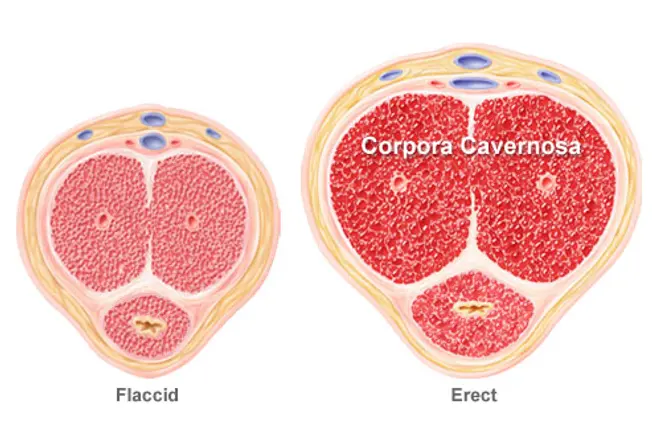
You get an erection when blood fills two chambers known as the corpora cavernosa. This causes your penis to expand and stiffen, much like a balloon as it is filled with water. Impulses from the brain and genital nerves start the process. Anything that blocks these impulses or restricts blood flow to the penis can cause ED.

Causes of ED: Chronic Disease :-


                          Chronic Disease


The link between chronic disease and ED is most striking for diabetes. Men with diabetes are two to three times more likely to have erectile dysfunction. And it could start 10 to 15 years earlier. But blood sugar control can lower this risk. Any condition that affects the way blood flows through your body  could lead to ED. This includes cardiovascular disease, atherosclerosis (hardening of the arteries), kidney disease, and multiple sclerosis.


Causes of ED: Lifestyle :-


                            Lifestyle 


Lifestyle choices can contribute to ED. Smoking, heavy drinking, and drug use disorder can damage the blood vessels and reduce blood flow to your penis. Being overweight and getting too little exercise also raise your odds. Studies show that men who exercise regularly have a lower risk of ED.


Causes of ED: Surgery :-


                    Causes of ED: Surgery 


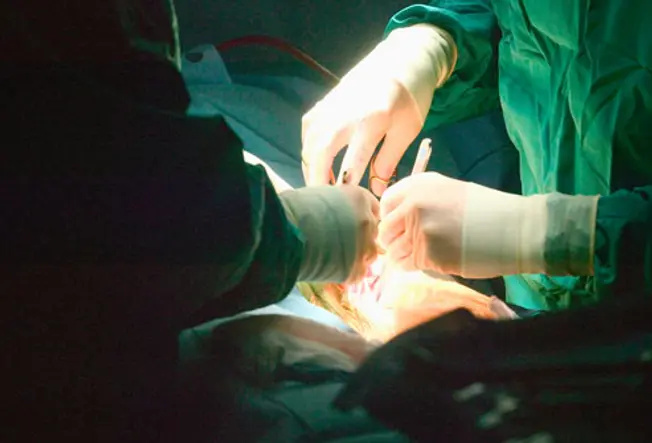
Surgery, including treatments for prostate cancer, bladder cancer, or BPH, can sometimes damage nerves and blood vessels near your penis. If the nerve damage is permanent, you’ll need treatment to get an erection. But sometimes surgery causes temporary ED that gets better on its own after 6 to 18 months.


Causes of ED: Medication :-


                 Causes of ED: Medication


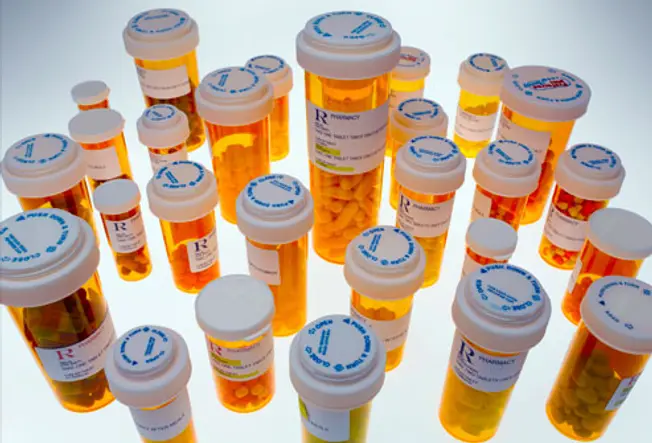
ED may be a side effect of medication, including certain blood pressure drugs and antidepressants. Talk to your doctor if you think a prescription or over-the-counter drug may be causing erectile problems. But never stop taking any medicine before you discuss it with your doctor.


Causes of ED: Psychological :-


                Causes of ED: Psychological


If you’re older, there’s probably a physical reason for your ED. But the causes can be in your head, too. Experts say stress, depression, low self-esteem, and performance anxiety can short-circuit the process that leads to an erection. These factors can also make the problem worse if your ED stems from a physical problem.


ED and Bicycling :-


                       ED and Bicycling


Research suggests that avid bikers are more likely to get ED than other athletes. Some bicycle seats put pressure on the perineum, an area between the anus and scrotum full of arteries and nerves vital to sexual arousal. If you bike for many hours each week, get a seat designed to protect this area.


Diagnosing ED: Physical Exam :-


                   Diagnosing ED: Physical Exam                     

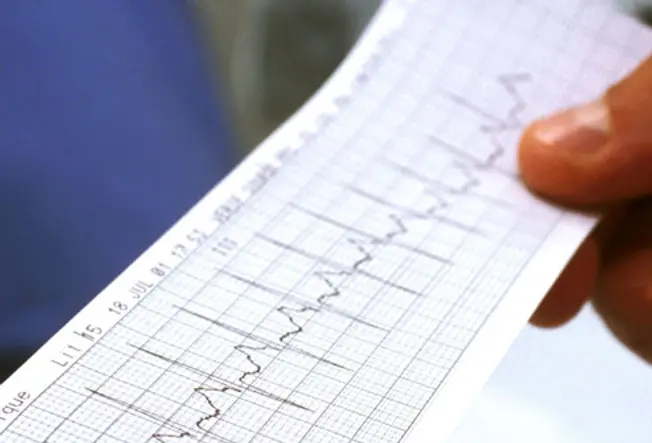
To diagnose ED, the doctor will ask about your symptoms and medical history. They’ll do a complete physical exam to look for signs like poor circulation or nerve trouble. They’ll also check for problems in your genital area that could cause trouble with erections.

Diagnosing ED: Lab Tests :-


                                               Lab Tests


Lab tests can help diagnose ED. Blood cell counts, blood sugar levels, cholesterol levels, and liver tests can reveal medical conditions that play a role in ED.


ED: A Sign of Heart Disease ?


                             Heart Disease


In some cases, ED can be a warning sign of a more serious disease. One study suggests it can predict heart attack, stroke, and even death from cardiovascular disease. If you’re diagnosed with ED, get checked for cardiovascular disease. This doesn’t mean every man with ED will develop heart disease, or that every man with heart disease has ED, but you should be aware of the link.


Treating ED: Lifestyle Changes :-


                        Lifestyle Changes


You may be able to improve your sex life with a few lifestyle changes. Giving up smoking, losing weight, and exercising more often can improve your blood flow. If you suspect a medication could be to blame, talk to your doctor about adjusting the dosage or switching to another drug.


Treating ED: Oral Medications :-


                        Oral Medication


You’ve probably heard of sildenafil (Viagra), but it isn’t the only pill for ED. This class of drugs also includes avanafil (Stendra), tadalafil (Cialis), and vardenafil (Levitra, Staxyn). All work by improving blood flow to the penis during arousal. They're generally taken 30-60 minutes before sexual activity and should not be used more than once a day. You can take tadalafil up to 36 hours before sexual activity. It also comes in a lower, daily dose. All require an OK from your doctor first for safety.


Treating ED: Injections :-

                         Injections


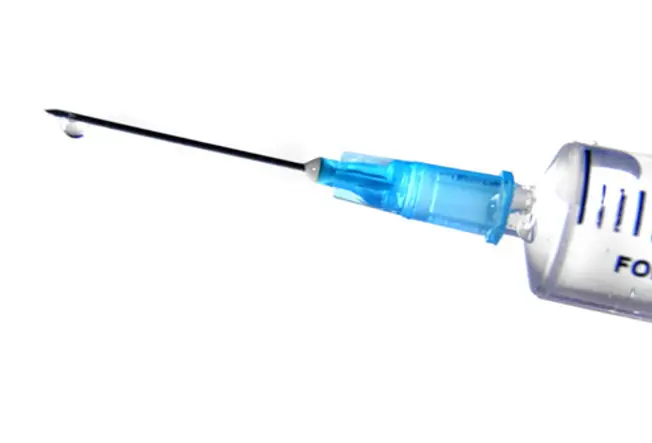
Pills are an easy way to treat ED, but you might get a stronger erection from injecting medication directly into your penis. That’s because these drugs widen your blood vessels so your penis fills with blood. Another option: A medicated pellet you put into the opening at the end of your penis. The pellet can trigger an erection within 10 minutes.


Treating ED: Vacuum Devices (Pumps) :-


                        Vacuum Device

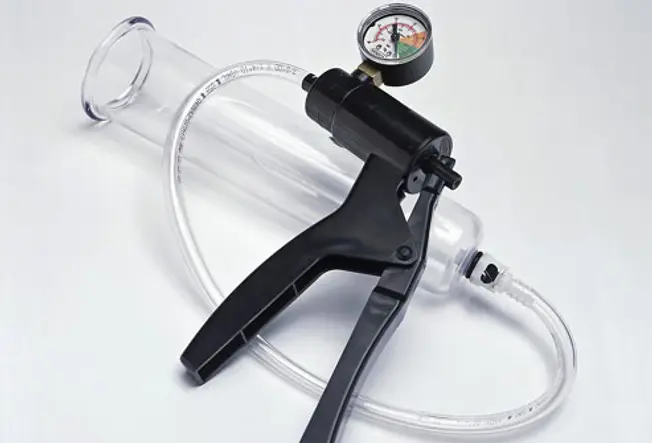
Vacuum devices for ED, also called pumps, offer an alternative to medication. You’ll place your penis inside a cylinder and use a pump to draw the air out. This creates a partial vacuum around your penis, which causes it to fill with blood and leads to an erection. You’ll wear an elastic band around the base of your penis to keep the erection while you have sex.


Treating ED: Surgery :-


                              Surgery

If ED comes from a blocked artery leading to the penis, surgery can restore blood flow. The procedure usually works best on men under 30. Doctors don’t recommend it for older men with widespread narrowing of the arteries.


Treating ED: Implants :-


                              Implants

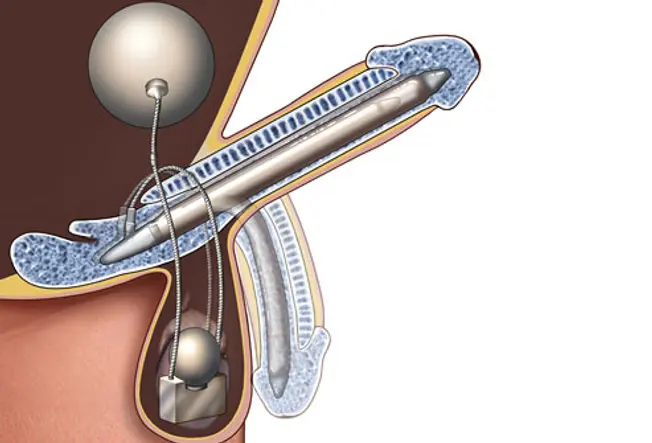
If you have long-term ED, a penile implant could help you have sex again. An inflatable implant uses two cylinders you can pump full of pressurized fluid. A malleable implant uses rods that let you adjust the position of your penis.


Treating ED: Psychotherapy :-


                           Psychotherapy 

Even when ED has a physical cause, psychotherapy can help. A therapist can teach the man and their partner techniques to reduce performance anxiety and improve intimacy. Therapy can also help couples adjust to the use of vacuum devices and implants.


Treating ED: Alternative Therapies :-


                       Alternative Therapies


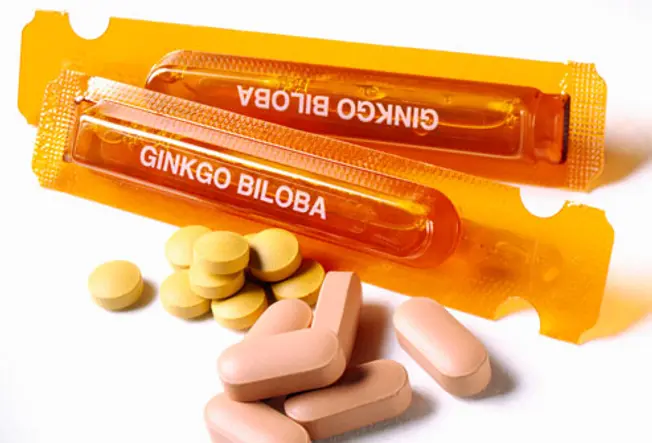
Talk with your doctor before trying supplements for ED. They can contain 10 or more ingredients and could make other health conditions worse. Some men say alternative treatments help them get and keep an erection. Unfortunately, the long-term safety of these products isn’t known, so most doctors don’t recommend them.


Treating ED: Buyer Beware :-


                          Buyer Beware


A quick web search will reveal dozens of "dietary supplements" that claim to treat ED. But the FDA warns that many of these are not what they seem. These pills often contain prescription drugs not listed on the label, including the active ingredient in sildenafil (Viagra). This can cause problems if the medication interacts with something else you take.


ED: Lowering Your Risk :-


                         Maintain Health


These simple things can help lower your odds of ED:

  • Exercise and maintain a healthy weight.
  • Stop smoking.
  • Avoid alcohol and substance abuse.
  • Keep diabetes under control.


Discussing ED With Your Partner :-


                      Discussing ED With Your Partner


Though you're the one with ED, your partner is also affected. Talking openly about ED will help your partner understand the diagnosis and treatment options. This can reassure them that you haven't lost interest.


  Please, don’t be selfish with this post, try and share with friends. 


                        BEST REGARD BY.., 

                                                  DR.H2O.,