Friday, 25 March 2022

What Is Erectile Dysfunction (ED)?

        What Is Erectile Dysfunction (ED) ?


Erectile Dysfunction

Erectile dysfunction (ED) happens when a man has ongoing problems getting and keeping an erection. Without treatment, ED can make sex difficult. The problem is reported by 1 in 5 men, and that number gets bigger with age.


Erectile dysfunction vs. Poor Sex Drive :-


         Erectile dysfunction vs. Poor Sex Drive


Men can have several types of issues including poor sex drive and problems with ejaculation. But ED refers specifically to trouble getting or keeping an erection. You might have a healthy sex drive, but a body that won’t respond. Most of the time there is a physical basis for the problem.


Symptoms of ED :-


                   Symptoms of Erectile dysfunction


Symptoms of ED include:

  • Erections that are too soft for sex.
  • Erections that are don’t last long enough for sex.
  • An inability to get an erection.

If you can’t get or keep an erection that lasts long enough or is rigid enough for sex, you have erectile dysfunction.


Who Gets ED ?


Sexual dysfunction and ED become more common as you get older. Only about 5% of men age 40 have it. But the number rises to 15% of men age 70. This doesn’t mean growing older is the end of your sex life. Doctors can treat ED no matter your age. Age isn’t the only cause. Type 2 diabetes, obesity, smoking, and high blood pressure all make it more likely.


The Mechanics of ED :-
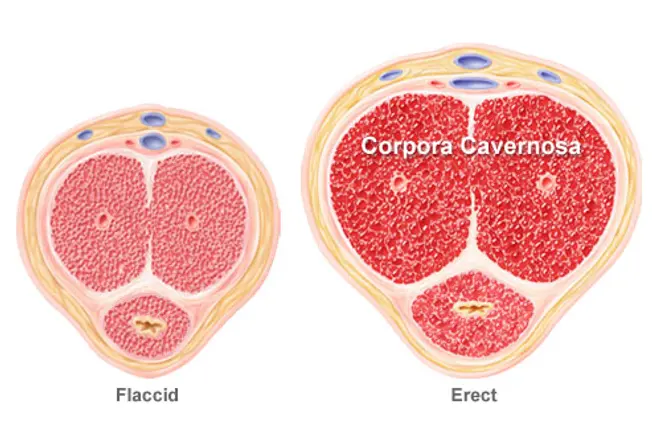

                                      Mechanics Of Erectile Dysfunction


You get an erection when blood fills two chambers known as the corpora cavernosa. This causes your penis to expand and stiffen, much like a balloon as it is filled with water. Impulses from the brain and genital nerves start the process. Anything that blocks these impulses or restricts blood flow to the penis can cause ED.

Causes of ED: Chronic Disease :-


                          Chronic Disease


The link between chronic disease and ED is most striking for diabetes. Men with diabetes are two to three times more likely to have erectile dysfunction. And it could start 10 to 15 years earlier. But blood sugar control can lower this risk. Any condition that affects the way blood flows through your body  could lead to ED. This includes cardiovascular disease, atherosclerosis (hardening of the arteries), kidney disease, and multiple sclerosis.


Causes of ED: Lifestyle :-


                            Lifestyle 


Lifestyle choices can contribute to ED. Smoking, heavy drinking, and drug use disorder can damage the blood vessels and reduce blood flow to your penis. Being overweight and getting too little exercise also raise your odds. Studies show that men who exercise regularly have a lower risk of ED.


Causes of ED: Surgery :-


                    Causes of ED: Surgery 


Surgery, including treatments for prostate cancer, bladder cancer, or BPH, can sometimes damage nerves and blood vessels near your penis. If the nerve damage is permanent, you’ll need treatment to get an erection. But sometimes surgery causes temporary ED that gets better on its own after 6 to 18 months.


Causes of ED: Medication :-
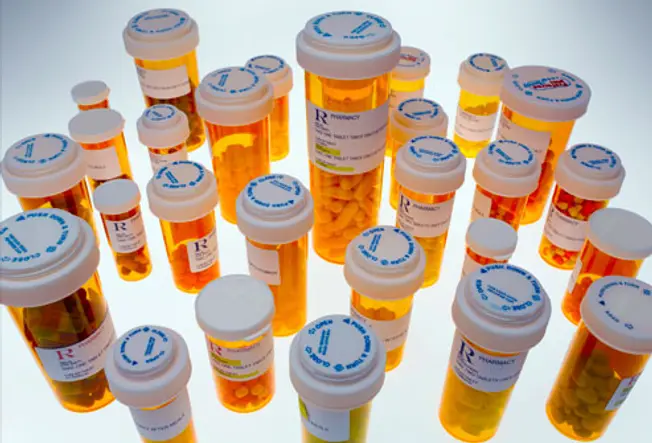

                 Causes of ED: Medication


ED may be a side effect of medication, including certain blood pressure drugs and antidepressants. Talk to your doctor if you think a prescription or over-the-counter drug may be causing erectile problems. But never stop taking any medicine before you discuss it with your doctor.


Causes of ED: Psychological :-


                Causes of ED: Psychological


If you’re older, there’s probably a physical reason for your ED. But the causes can be in your head, too. Experts say stress, depression, low self-esteem, and performance anxiety can short-circuit the process that leads to an erection. These factors can also make the problem worse if your ED stems from a physical problem.


ED and Bicycling :-


                       ED and Bicycling


Research suggests that avid bikers are more likely to get ED than other athletes. Some bicycle seats put pressure on the perineum, an area between the anus and scrotum full of arteries and nerves vital to sexual arousal. If you bike for many hours each week, get a seat designed to protect this area.


Diagnosing ED: Physical Exam :-


                   Diagnosing ED: Physical Exam                     

To diagnose ED, the doctor will ask about your symptoms and medical history. They’ll do a complete physical exam to look for signs like poor circulation or nerve trouble. They’ll also check for problems in your genital area that could cause trouble with erections.

Diagnosing ED: Lab Tests :-


                                               Lab Tests


Lab tests can help diagnose ED. Blood cell counts, blood sugar levels, cholesterol levels, and liver tests can reveal medical conditions that play a role in ED.


ED: A Sign of Heart Disease ?
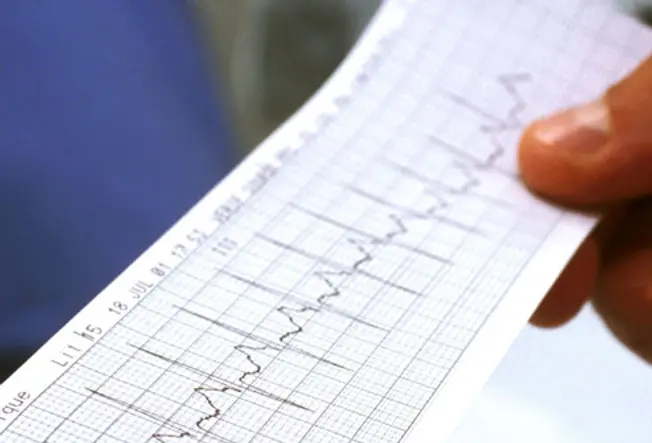

                             Heart Disease


In some cases, ED can be a warning sign of a more serious disease. One study suggests it can predict heart attack, stroke, and even death from cardiovascular disease. If you’re diagnosed with ED, get checked for cardiovascular disease. This doesn’t mean every man with ED will develop heart disease, or that every man with heart disease has ED, but you should be aware of the link.


Treating ED: Lifestyle Changes :-
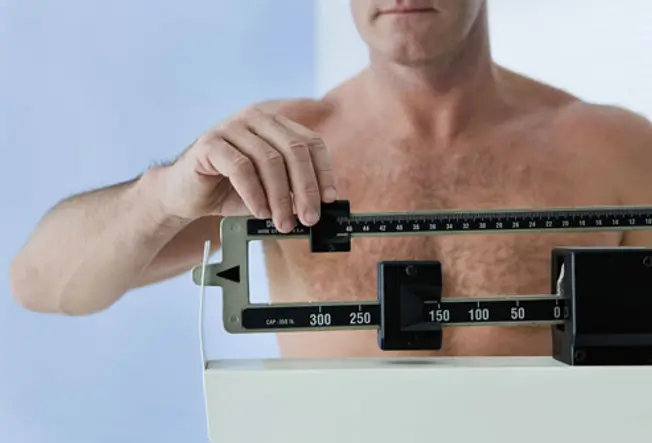

                        Lifestyle Changes


You may be able to improve your sex life with a few lifestyle changes. Giving up smoking, losing weight, and exercising more often can improve your blood flow. If you suspect a medication could be to blame, talk to your doctor about adjusting the dosage or switching to another drug.


Treating ED: Oral Medications :-


                        Oral Medication


You’ve probably heard of sildenafil (Viagra), but it isn’t the only pill for ED. This class of drugs also includes avanafil (Stendra), tadalafil (Cialis), and vardenafil (Levitra, Staxyn). All work by improving blood flow to the penis during arousal. They're generally taken 30-60 minutes before sexual activity and should not be used more than once a day. You can take tadalafil up to 36 hours before sexual activity. It also comes in a lower, daily dose. All require an OK from your doctor first for safety.


Treating ED: Injections :-
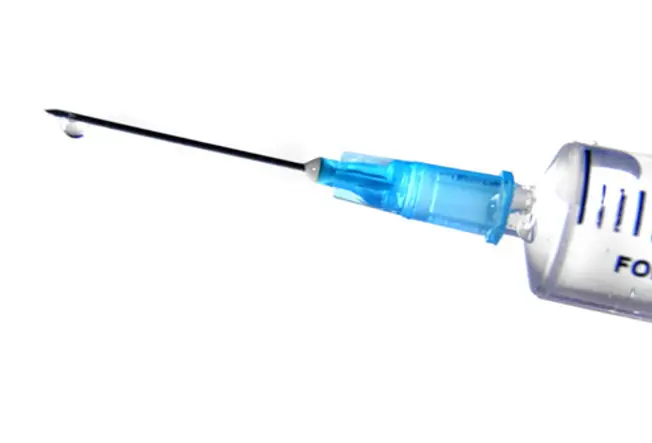
                         Injections


Pills are an easy way to treat ED, but you might get a stronger erection from injecting medication directly into your penis. That’s because these drugs widen your blood vessels so your penis fills with blood. Another option: A medicated pellet you put into the opening at the end of your penis. The pellet can trigger an erection within 10 minutes.


Treating ED: Vacuum Devices (Pumps) :-
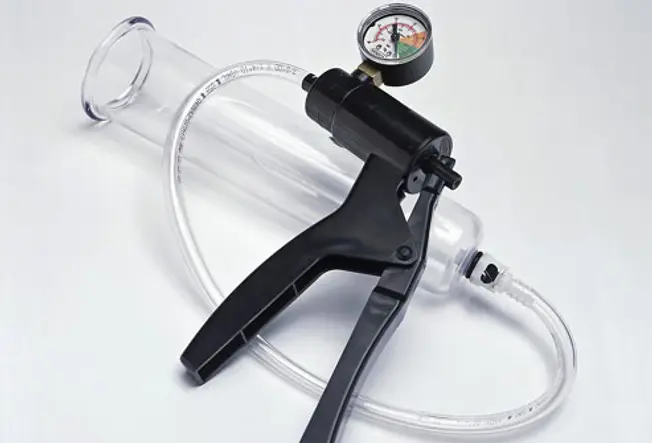

                        Vacuum Device

Vacuum devices for ED, also called pumps, offer an alternative to medication. You’ll place your penis inside a cylinder and use a pump to draw the air out. This creates a partial vacuum around your penis, which causes it to fill with blood and leads to an erection. You’ll wear an elastic band around the base of your penis to keep the erection while you have sex.


Treating ED: Surgery :-


                              Surgery

If ED comes from a blocked artery leading to the penis, surgery can restore blood flow. The procedure usually works best on men under 30. Doctors don’t recommend it for older men with widespread narrowing of the arteries.


Treating ED: Implants :-
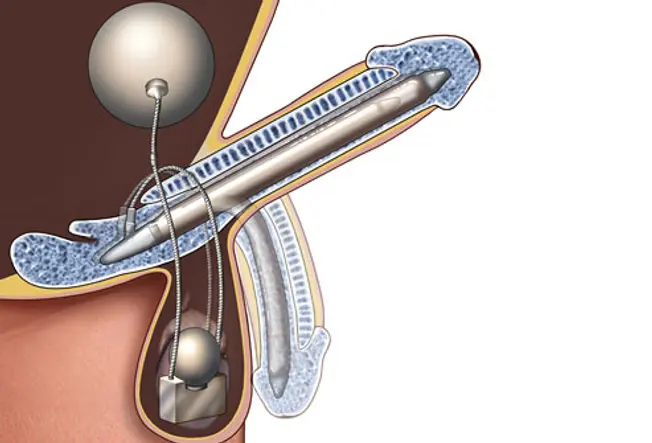

                              Implants

If you have long-term ED, a penile implant could help you have sex again. An inflatable implant uses two cylinders you can pump full of pressurized fluid. A malleable implant uses rods that let you adjust the position of your penis.


Treating ED: Psychotherapy :-


                           Psychotherapy 

Even when ED has a physical cause, psychotherapy can help. A therapist can teach the man and their partner techniques to reduce performance anxiety and improve intimacy. Therapy can also help couples adjust to the use of vacuum devices and implants.


Treating ED: Alternative Therapies :-
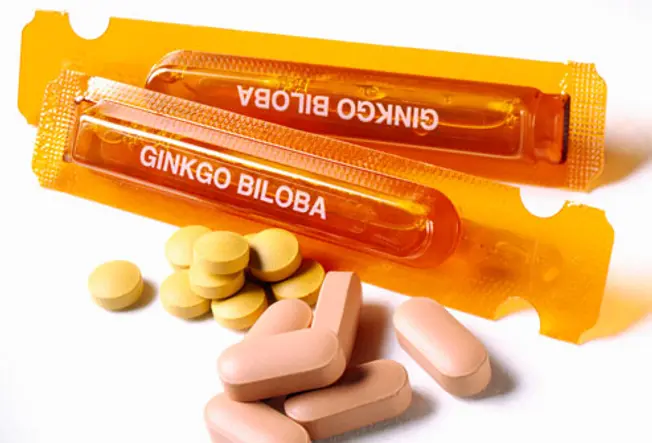

                       Alternative Therapies


Talk with your doctor before trying supplements for ED. They can contain 10 or more ingredients and could make other health conditions worse. Some men say alternative treatments help them get and keep an erection. Unfortunately, the long-term safety of these products isn’t known, so most doctors don’t recommend them.


Treating ED: Buyer Beware :-


                          Buyer Beware


A quick web search will reveal dozens of "dietary supplements" that claim to treat ED. But the FDA warns that many of these are not what they seem. These pills often contain prescription drugs not listed on the label, including the active ingredient in sildenafil (Viagra). This can cause problems if the medication interacts with something else you take.


ED: Lowering Your Risk :-


                         Maintain Health


These simple things can help lower your odds of ED:

  • Exercise and maintain a healthy weight.
  • Stop smoking.
  • Avoid alcohol and substance abuse.
  • Keep diabetes under control.


Discussing ED With Your Partner :-


                      Discussing ED With Your Partner


Though you're the one with ED, your partner is also affected. Talking openly about ED will help your partner understand the diagnosis and treatment options. This can reassure them that you haven't lost interest.


  Please, don’t be selfish with this post, try and share with friends. 


                        BEST REGARD BY.., 

                                                  DR.H2O.,            


Thursday, 24 March 2022

Why Men Get Morning Erections?

Why Men Get Morning Erections? Some Answers to Your Questions.

Are they ever a sign of a problem?


 If you’re a man or if you’ve spent any time close to one, you’ve probably noticed the phenomenon of nocturnal penile tumescence — aka morning erections or, in slang, morning “wood.”

But why, exactly, does this happen? And is it ever a sign of a problem? Urologist Ryan Berglund, MD, answers your questions on the topic:

Q: Why exactly do morning erections occur? 

A: The sacral nerve, part of your parasympathetic nervous system, controls erections.

The sympathetic nervous system is what prepares you for action — the fight or flight response. The parasympathetic nervous system, on the other hand, is what’s active while your body rests and repairs itself. It’s responsible for things like digestion, getting rid of waste, and sexual arousal.

The parasympathetic nervous system is active when you’re asleep, so erections sometimes happen in your sleep. The term “morning wood” is actually a misnomer; penises can become erect and then flaccid again several times in the course of one night. You’re just more likely to notice it when you wake up.

Q: There are a lot of explanations out there: dreams, a full bladder, REM sleep. Do any of these play a role? 

A: Yes, but these really still link to the parasympathetic nervous system.

During REM sleep your parasympathetic nervous system is more active, and this is when you’re most likely to dream — and sometimes have an erotic dream, which can certainly result in an erection and maybe ejaculation.

A full bladder could press against and stimulate the sacral nerve.

Q: At what age is it normal for morning erections occur?

A: They can occur at any age — even male fetuses have erections in utero! It’s very common for friends of mine who are parents to call me up to ask if it’s a problem that their 3-year-old has an erection. The answer I always give them is that it’s totally normal.

Q: Can morning erections tell us anything about erectile dysfunction? 

A: We know that erectile dysfunction is multifactorial — there are a lot of things that have an impact. Diminished neurological function, vascular issues, and anatomical or structural issues all sometimes cause erectile dysfunction.

On top of all these physical causes, there are sometimes psychological causes, too. It’s sometimes hard to determine what’s causing it.

What morning erections can tell us is whether the issue is physical or psychological.

I saw a patient today who told me that he developed erectile dysfunction recently, but he’s been under a tremendous amount of stress at work. In a case like this, morning erections would show that there’s probably nothing physically wrong and that the issue is psychological.

Issues in a relationship, trouble at work, or even sexual trauma can hamper erections. In those cases, eliminating the stress or conflict can solve the problem. Counseling with a therapist trained to treat erectile dysfunction can help.

Q: Should you ever worry about morning erections?

A: Priapism is a condition in which an erection lasts more than four hours. That can result in permanent dysfunction of the penis. Morning erections typically subside soon after you wake up. If you’re having erections that last significantly longer than that, it would be a good idea to speak to your doctor.


  Please, don’t be selfish with this post, try and share with friends. 


                        BEST REGARD BY.., 

                                                  DR.H2O.,   


10 Surprising Facts About Erections.

 10 Surprising Facts About Erections


These facts about erections may or may not surprise you, but they certainly are interesting. If you’re a person with a penis, you may be wondering if the erections (or lack of erections) you’re experiencing are typical. Here are a few facts about erections that could be useful to know.

1. People with penises may have 3-5 erections per night


A person with a penis typically has 3-5 erections per night during rapid eye movement (REM) sleep. It’s not completely understood why this happens. But many medical professionals say that it’s completely normal.

2. Penises can break


Yes, you can break your penis. It’s not like a broken bone, though — instead, the blood vessels within the penis burst, causing painful swelling. According to the United Kingdom’s National Health Service, one-third of penile fracture cases are attributed to sexual intercourse where the partner is on top.

3. Erections can happen early


Like “in-the-womb” early.

Although it hasn’t been studied in detail, it’s believed that fetal erections can be caused by contractions of the pelvic muscles and changes in blood flow.

According to one 2020 review Trusted Source, fetal erections are especially common during the third trimester of pregnancy and can occur an average of 1-3 times per hour.

4. The penis isn’t a muscle or bone


Contrary to popular belief, the penis isn’t actually a bone or a muscle at all.

Instead, the penis is composed of three sponge-like cylindrical chambers, which gradually fill with blood when you feel aroused.

This results in increased pressure, which prevents blood from flowing out of the penis and causes an erection.

5. The average erection is 5.1-5.5 inches long


Although most men believe that the average erection is over 6 inches long, one large review estimates that it’s actually closer to 5.1-5.5 inches.

You cannot change the length or size of your penis with medication or exercises.

6. ED can affect young people


Though the risk of ED increases with age, it’s a common problem that affects many young people as well.

According to one 2021 study, approximately 11 percentTrusted Source of sexually active men between the ages of 18-31 reported mild ED, while nearly 3 percent reported experiencing moderate-to-severe ED.

Learn more about if ED is inevitable.

7. ED can signal a serious health problem


Sometimes, sexual dysfunction is a sign of bigger issues. In fact, any disease that affects hormone levels, smooth muscle tissue, or the nerves or arteries of the penis can contribute to ED.

In particular, ED can be caused by conditions like:

  • heart disease
  • diabetes
  • high blood pressure
  • high cholesterol levels

For this reason, it’s important to talk with your doctor if you experience frequent ED to ensure that it’s not associated with any underlying health problems.

8. Erections aren’t required for orgasm


Yes, men who can’t achieve erections may still have orgasms.

Many men with ED are able to reach orgasm or ejaculate through sexual stimulation or intercourse, even without an erection.

9. Lifestyle choices can make you more prone to ED


Several factors can increase your risk of ED, including stress, anxiety, smoking, and drinking high amounts of alcohol.

Other risk factors for ED include having a body mass index over 25, using certain medications, and cycling for more than 3 hours per week.

Although most men experience problems getting or keeping an erection from time to time, you may want to talk with your doctor or visit a sexual health clinic if it happens frequently or if it’s causing anxiety or issues with your sexual relationships.

Learn about 5 natural treatments for ED.

10. ED stress can make matters worse


Having difficulty achieving or maintaining an erection can cause stress and anxiety, both of which can actually worsen ED.

This is known as psychogenic ED, a condition characterized by sudden, onset erectile dysfunction caused by stress, depression, anxiety, or relationship problems.

Talking with a doctor or sex therapist may be beneficial for addressing stress caused by ED or other issues.


              Please, don’t be selfish with this post, try and share with friends. 


                        BEST REGARD BY.., 

                                                  DR.H2O.,